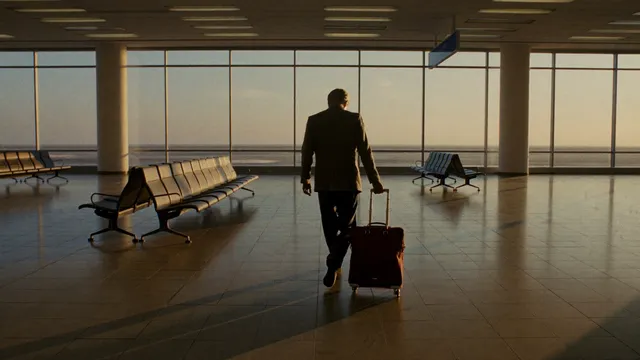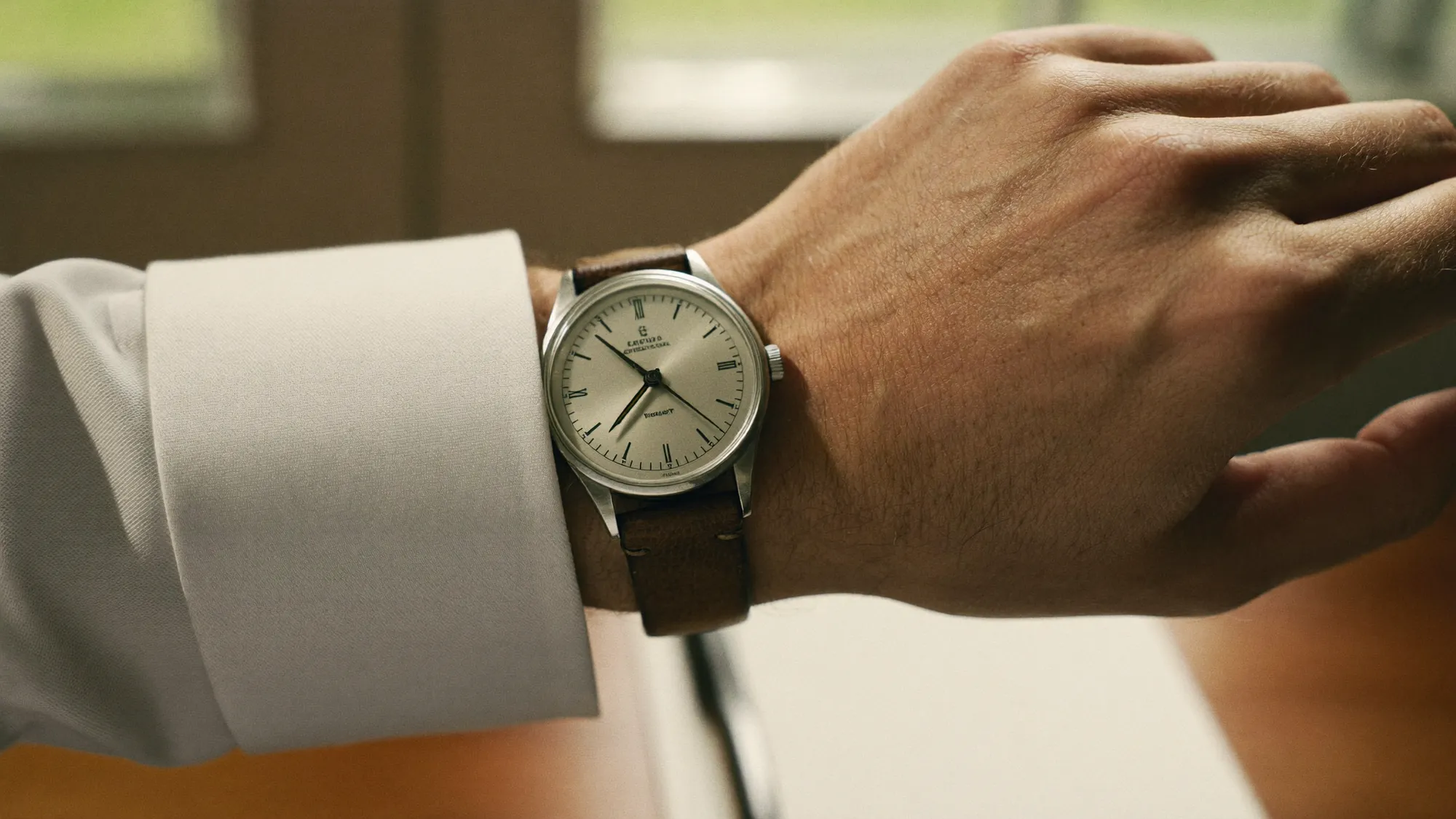
The winder hums on the dresser. It is 6:40 on a Tuesday, and a man we will call Tom — 52, two kids, a garage he can nearly park in — stands in front of it in a towel, deciding. Six watches turn slowly in their velvet cradles, a rotisserie for money. His 8:00 call requires nothing of his wrist. Still he stands there. The diver suggests he might swim. The chronograph suggests he might time something. He selects the GMT, which suggests he might fly to Singapore, and carries it down to a kitchen four time zones from nowhere.
The box of twelve
No one sets out to collect watches. A collection is what happens while you are telling yourself you appreciate them. It begins with one good piece, a fortieth-birthday gift to yourself. Then a diver, for the water, although you swim perhaps eight times a year and never below the depth of a hot tub. Then a chronograph, for motorsport reasons that were never written down. Then a dress watch, for the black-tie events, of which there have been two since 2019. Then a beater, bought specifically to be damaged, which is then kept from all harm.
The equipment follows. The box of six becomes a box of twelve. The box of twelve requires a winder, because half the watches are always stopped, sulking at 4:47. The winder requires an outlet. Eventually there is a safe, an insurance rider, and a spreadsheet with a column labeled “last worn” — the accession log of a small museum with one visitor.
The case for one
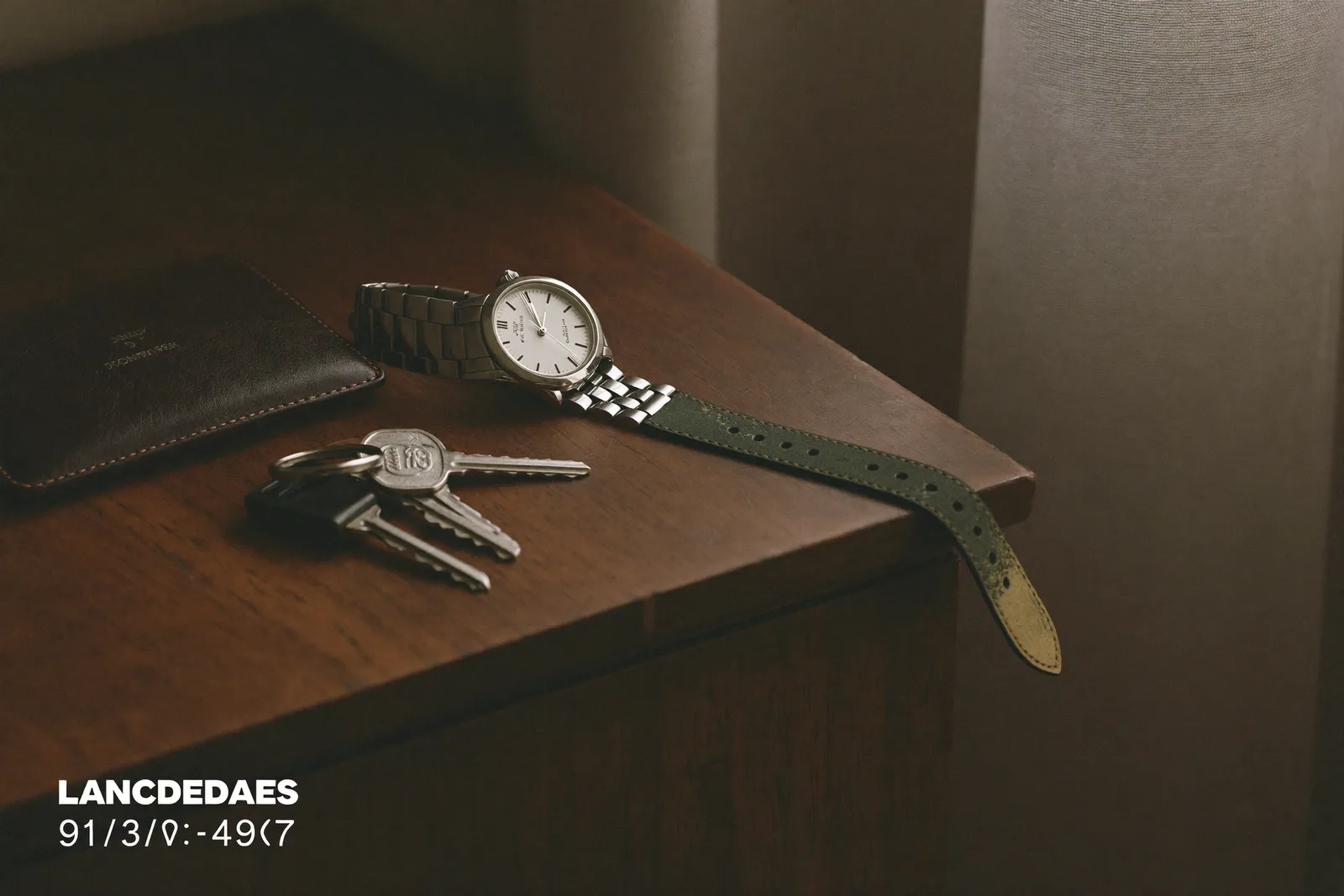
The exit is simple: one mechanical watch, worn every day, for everything. Meetings, weddings, the ocean, the yard. Which one is a shorter question than it looks — it is the one you already reach for when the day is real. The decision at the dresser disappears, and takes with it about forty seconds a day and a low-grade sense of self-audit.
Something else happens, more slowly. The watch starts keeping a record. The scratch across the clasp is the rental-car door in Lisbon, closed with the confidence of a man who had not yet located the seatbelt. The ding on the bezel at ten o’clock is the kayak lesson — his daughter’s lesson, the watch’s injury. A watch worn daily becomes autobiography written in steel, at a pace of about one sentence a year. Collectors call this patina and pay a premium for someone else’s. You can make your own at no charge, which is the argument against ever polishing it. A polish erases the only diary you were keeping.
A mechanical watch says you have terms with time. A smartwatch says you can be reached.
Meetings make the difference plain. When a wrist lights up mid-sentence with a message about paddle tennis, everyone at the table learns something about the wearer’s afternoon, and none of it is authority.
The five-year sabbatical
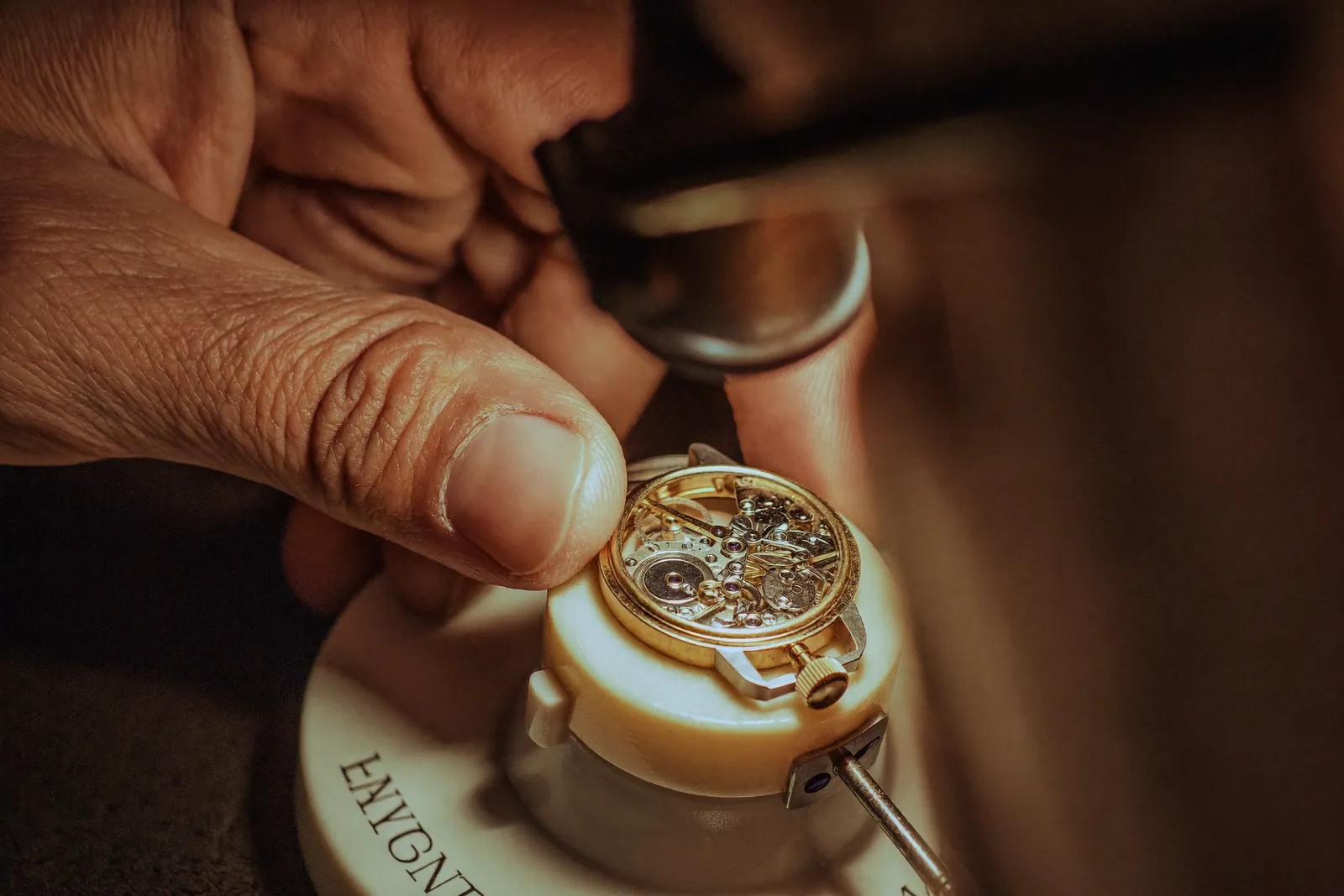
A mechanical watch asks little in return: motion, occasional admiration, and, every five years, a service. You send it away for six weeks, which feels drastic and then, quickly, does not. The bare wrist gets checked for a week regardless. It comes back with fresh gaskets and a printed test card, running two seconds fast a day — close enough for a man whose calendar finally has margins. Nothing visible has changed, which is how you know it was expensive. The service is a sabbatical. The watch is the only member of the household that reliably takes one.
None of this is investment advice. The watch will lose money. Buy it at retail, wear it in salt water, let Lisbon happen to it, and its resale value will decline with a smooth inevitability that would alarm your accountant if you told him, which you will not. That is part of the point. It may be the last object you own that is not also a position. It cannot be checked, refreshed, or liquidated from your phone. It runs, slightly wrong, entirely yours.
Tom sold five in March, at a modest loss, to a younger man assembling a box of twelve. The sixth had Lisbon on the clasp, and the younger man did not want it. This worked out for everyone.
The winder is unplugged. Nothing in the house turns now unless it has to.