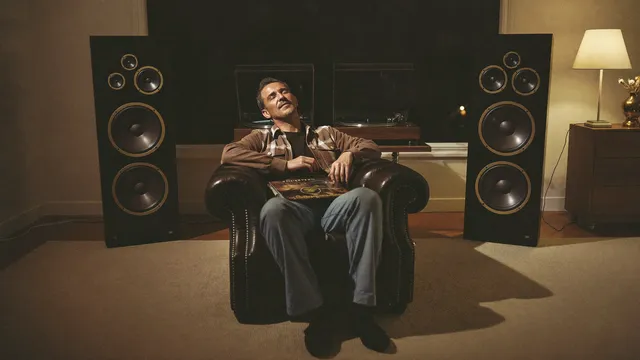
The sleet arrived on a Tuesday in February at a hard diagonal, the kind of weather that does not fall so much as show up with intent. Dan Curran, fifty-two, watched it from his kitchen window at 6:58 a.m., phone in one hand, thumb hovering over the refresh icon. At seven, his club would release the following Saturday’s tee times. By about 7:01, the good ones would be gone.
He had been losing this lottery since 2019. The mechanics are simple and humiliating. Seven days out, the tee sheet opens. Several hundred members want the same ninety-minute window between 8:10 and 9:40. Curran, who has the reflexes of a man who reads terms and conditions, reliably drew 6:14 a.m. or 2:50 p.m. — dawn patrol or the death march, nothing in between. That Tuesday he was refreshing a booking page for a course sitting under an inch of gray slush, losing anyway, and paying dues for the privilege. At 7:02 he put the phone down and looked, for a long moment, at the door to the garage.
The garage was twenty-two feet deep and contained a car that had never once complained.
Where the car lived
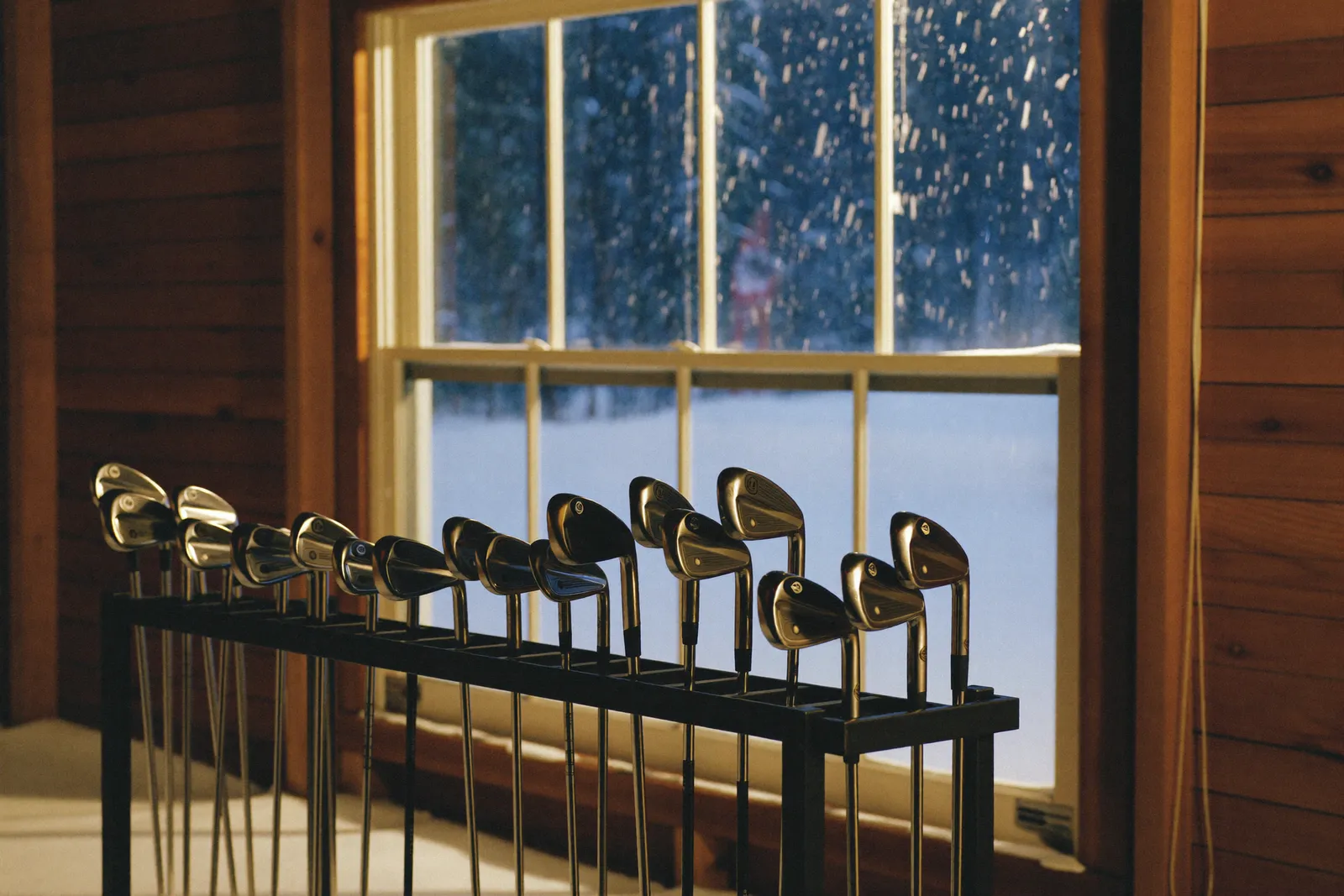
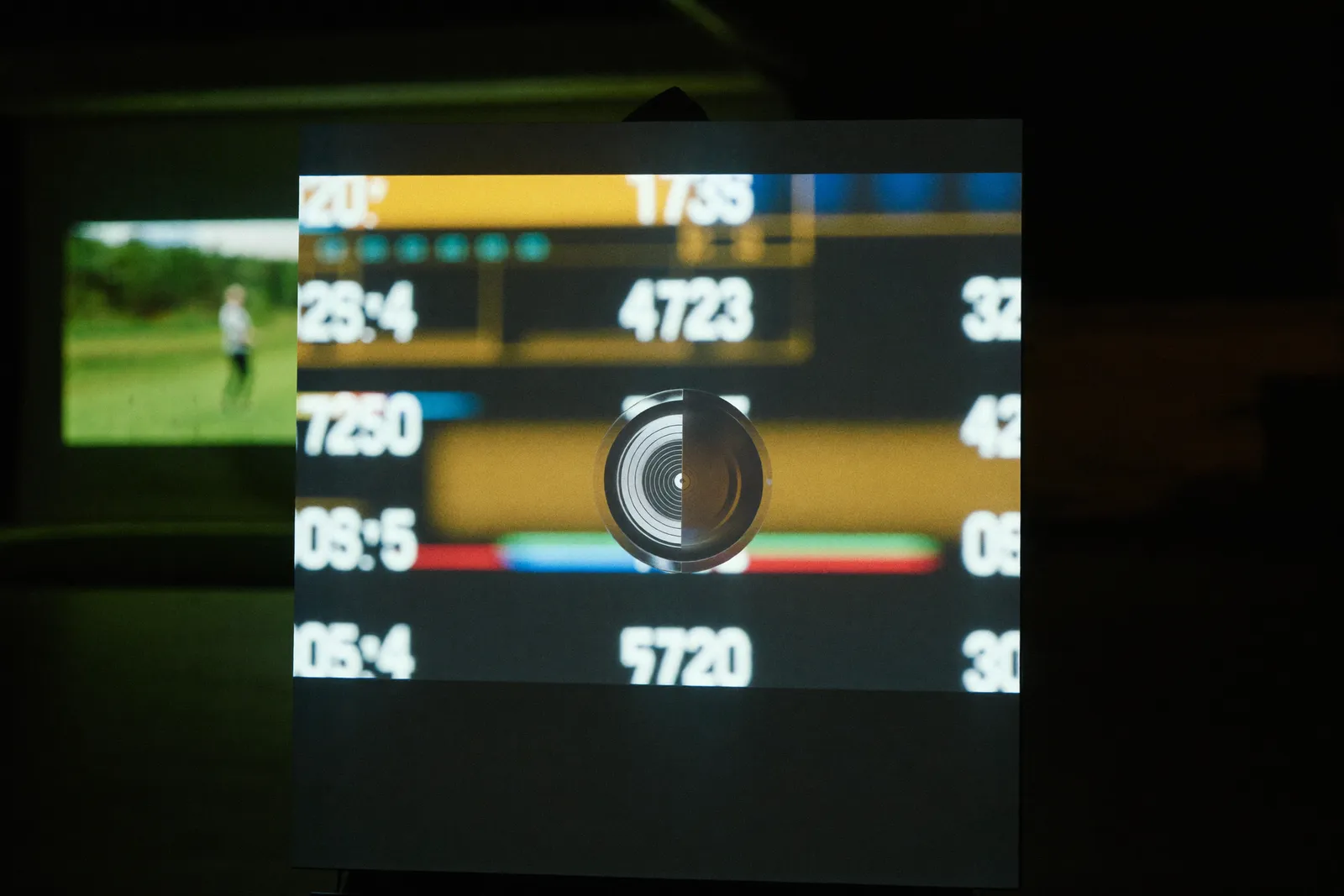
The install took two days and one structural question. The contractor wanted to know how tall Curran was and how steep his swing was, in that order. Six foot one; steep. The math cleared the nine-and-a-half-foot ceiling by a margin the contractor called “fine,” and then measured twice more. In went a hitting bay, an impact screen, a short-throw projector, a launch monitor the size of a hardcover book, and a strip of turf calibrated to feel like a fairway that has never known disappointment. A space heater, because February. The car went to the driveway.
The first night, he played Pebble Beach. It was a little after ten. He was in his socks. The seventh hole — the short par three that hangs over the Pacific — took him about ninety seconds to reach, with no cart, no ranger, and no one explaining the wind. He hit a soft wedge, watched it land on a screen eleven feet away, and understood that a portion of his life had been rearranged without ceremony. In the weeks that followed he played St Andrews in sweatpants and Bandon Dunes without the wind chill, and no one behind him hit into him even once.
The monitor does not flatter
For thirty years, Curran’s swing feedback came from playing partners, which is to say it came from diplomats. His slice was “a fade you can trust.” His chunked chips were “unlucky.” The launch monitor does not work in this tradition. It said 4.8 degrees out-to-in, face open, and it said it on every swing, in red numerals, until he changed it. It also had findings about his driver, which he replaced, and his tempo, which he could not.
There is no arguing with a launch monitor and no buying it a drink.
So he fixed the path the way you fix things no one is watching you fix: badly, then less badly, then quietly well. Ten swings before the first coffee. Forty minutes after dinner, in place of a show he had stopped enjoying anyway. By April his handicap had come down four strokes, from a 13 to a 9 — his first single digits since college, when he had the time and none of the money.
The regulars at the practice range noticed the new ball flight and wanted the secret — a new coach, new shafts, one of those week-long schools in Arizona. He tells them “reps,” which is accurate, and leaves out the projector, which is the answer.
The away game
He still plays real golf. He likes it more now, the way you like a place once you stop commuting to it. But grass golf has become the away game — the one with weather, five-hour rounds, a beverage cart on an unknowable orbit, and a member named Ted who narrates his own backswing. Curran plays it once or twice a month, on purpose, at hours he chose. The 7 a.m. lottery proceeds without him. He assumes some other man is winning his old 2:50 slot, and he wishes him well.
The car, for its part, has adjusted. It sleeps in the driveway under a fitted cover, like a horse that has been told about tractors and has decided to be dignified about it. On cold mornings its windshield carries a thin sheet of ice, which Curran scrapes on his way to nowhere in particular, the commute to his first tee being eleven steps, none of them outdoors.
The tee sheet still opens at seven. He no longer attends.