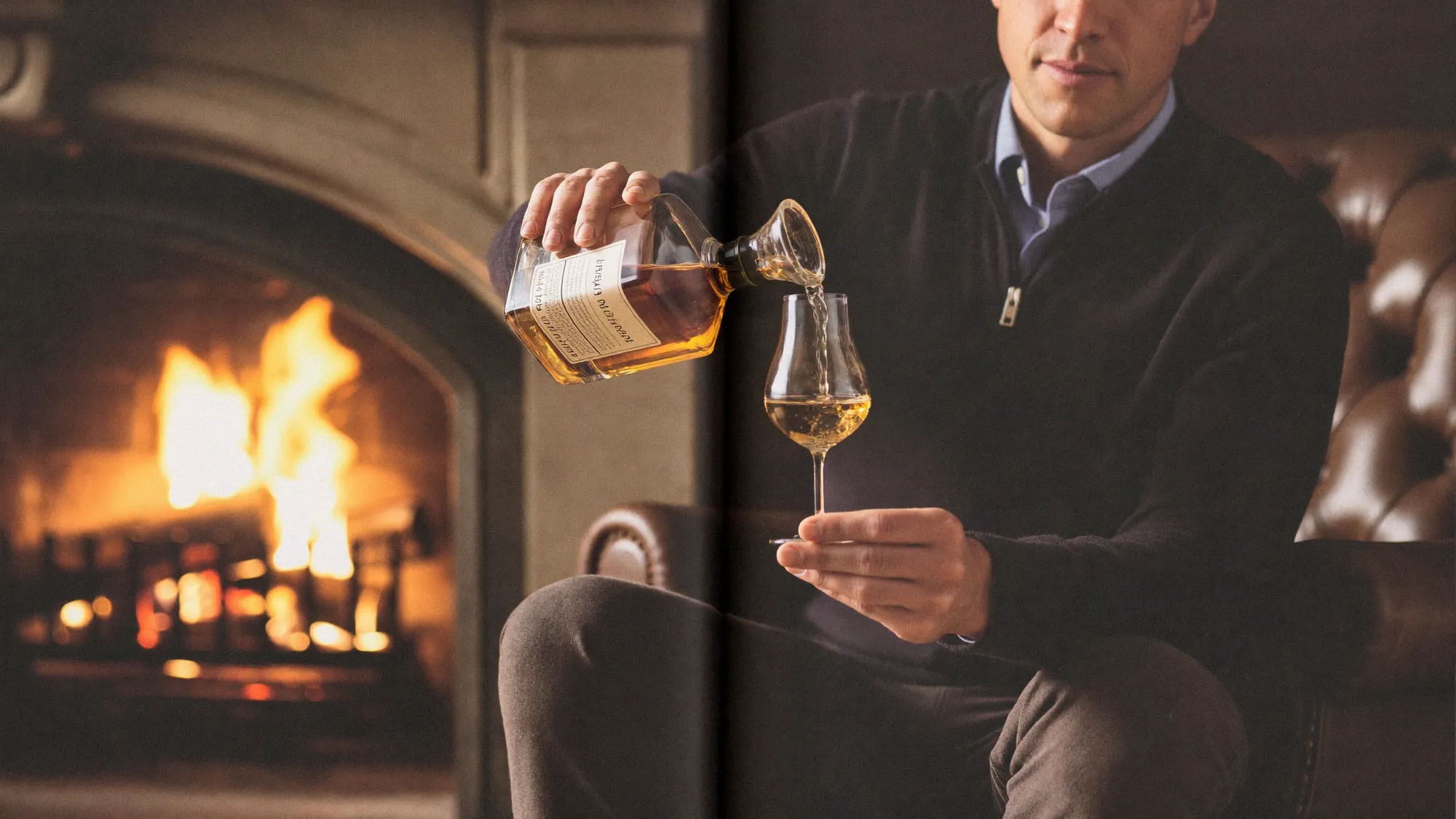
The bottle came to me in a banker’s box, between a shoehorn and a folder of warranties for appliances nobody owns anymore. Redbreast twelve-year, bought at the Shannon Airport duty-free in the summer of 1991, still in its cardboard tube. The price sticker was in Irish punts, a currency that has itself since passed on. My father had been saving it.
For thirty years it lived on the top shelf of his den closet, behind the slide projector, waiting for an occasion. The occasion had requirements, though he never wrote them down. Significant but not somber. Company, but the right company. Twice, my mother says, he came close — the night my sister passed the bar, and October of 2004, when the Red Sox finally did the thing Boston had stopped asking them to do. Both times he took the tube down, held it a while, and put it back. Good, he ruled, but not the occasion. Then he ran out of occasions, the way everyone eventually does, and the bottle rode to my house in a box with a shoehorn.
The math of someday
Here is what nobody explains about saving a bottle: the occasion you are waiting for does not occur in nature. There is no wild occasion. Every occasion in history was declared by somebody. A wedding is a Tuesday someone circled. A holiday is a Thursday with a committee behind it. My father was waiting for the calendar to inform him that the moment had arrived, and the calendar does not do that. The calendar just keeps printing Tuesdays.
Meanwhile the whiskey was not improving. That is the other thing nobody explains. Whiskey ages in oak and then it stops. In glass it simply holds, steady at twelve years old, while its owner does not. For three decades the most patient object in that house was quietly outlasting the man too disciplined to drink it.
Tuesday qualifies
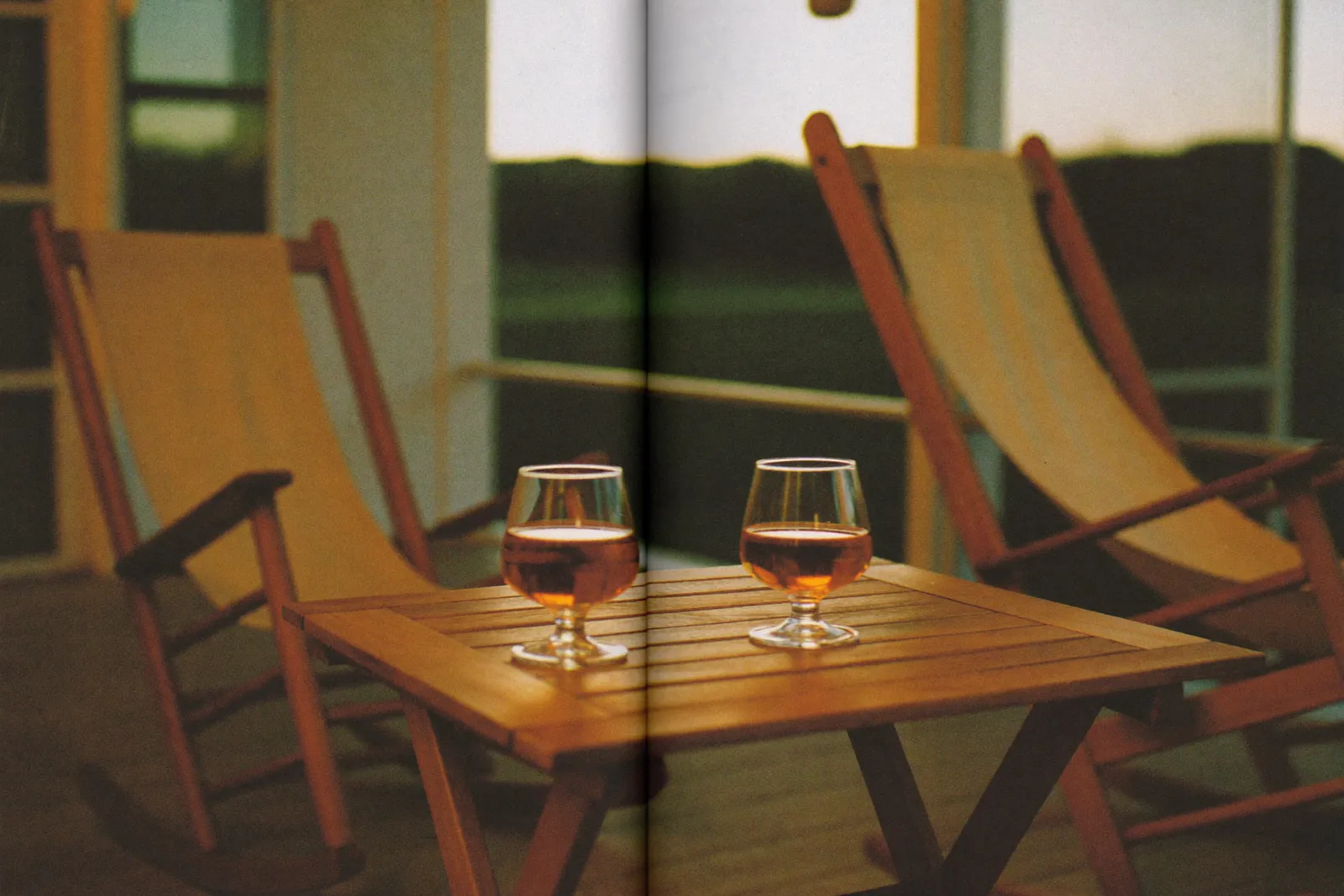
I opened my father’s Redbreast on a Tuesday in March, at about a quarter to seven, with my neighbor Dave, who had come over to return a ladder. There was no occasion, which I had decided was the occasion. The workweek counts if you say it counts. Someone has to declare these things, and I had recently learned, at a funeral, that the position was open.
It was very good. Not transcendent — thirty years in a closet adds nothing but dust to the tube — but very good. Dave agreed. We sat on the porch while the ladder leaned against the rail, and my father was present in the conversation for about forty minutes without either of us announcing him. This, as far as I can tell, is the actual function of whiskey. It is not a collectible, and it is barely a beverage. It is conversation infrastructure. Two chairs, a porch, no agenda, and a socially licensed reason to stay through one more round of quiet.
Occasions are not found; they are declared.
The working shelf
I know a man with bottles in the low hundreds, of which he has opened perhaps nine. His basement has museum lighting and a dehumidifier. He can tell you the auction price of everything down there and the taste of almost none of it. His shelves are a portfolio of sealed futures, each bottle an appointment with a version of himself who keeps not showing up. He is not collecting whiskey. He is collecting somedays, and somedays are a soft market.
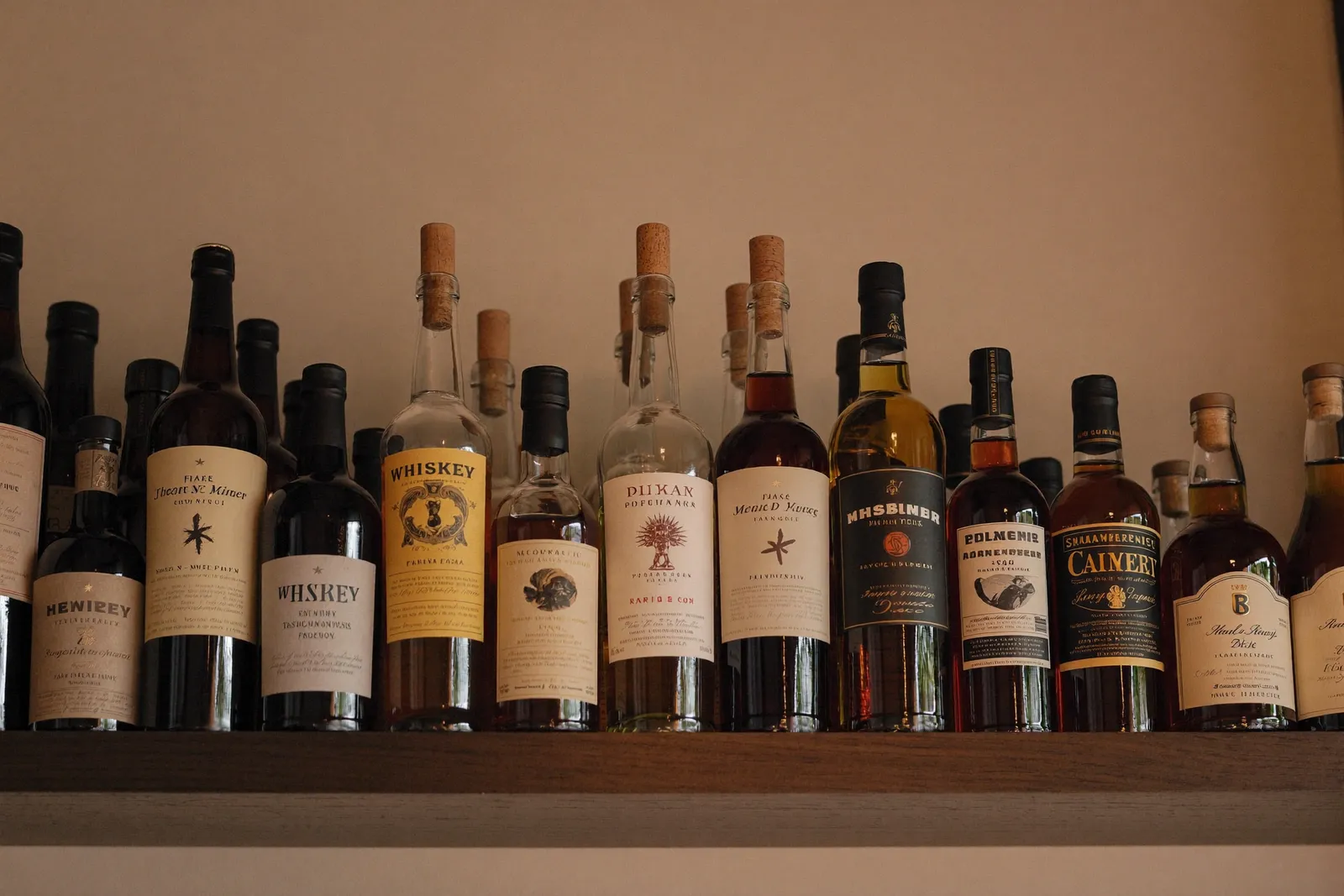
My shelf runs differently now. House rule, adopted the week of the banker’s box: nothing on it stays sealed. A new bottle gets opened the day it arrives, usually within the hour, usually with whoever happens to be around, which is how Dave has become a man of surprisingly specific opinions about sherry casks. The good stuff sits at the front, levels dropping at various honest rates. A visitor once looked the shelf over and asked which ones I was saving. I told him the truth, which is that the question no longer parses.
The Redbreast lasted about fourteen months, which works out to roughly an ounce a week — Sunday dinners, two ice storms, one long night when Dave’s marriage wobbled and the porch did what porches are for. When it was done I washed the bottle and stood the cardboard tube on the shelf in the den, where my kids will someday find it and wonder. It is empty. That was the point. It took our family a third of a century to move that whiskey from the duty-free to the glass, and the last fourteen months are the only part my father would revise.
These days I am saving nothing. It keeps perfectly.